Tesla's Official Winter Prep Guide: 4 Key Takeaways for Cold Weather Driving

As the temperatures drop and snow begins to fall, electric vehicle owners often have questions about range anxiety and cold weather performance. Tesla has officially released their updated winter preparation guide to help drivers navigate the freezing months.
We've broken down the essential tips from Tesla's latest release, along with some expert advice on the age-old winter tire debate.
1. The Golden Rules of Winter Charging
Tesla's charging division released a specific checklist for extreme US winter weather. The most notable tip for home charging is to charge to 100%. While daily charging is often recommended at 80% or 90% for certain battery chemistries to preserve longevity, winter conditions can significantly reduce range. Starting your day with a full battery ensures you have that extra buffer needed for heating the cabin and battery pack.
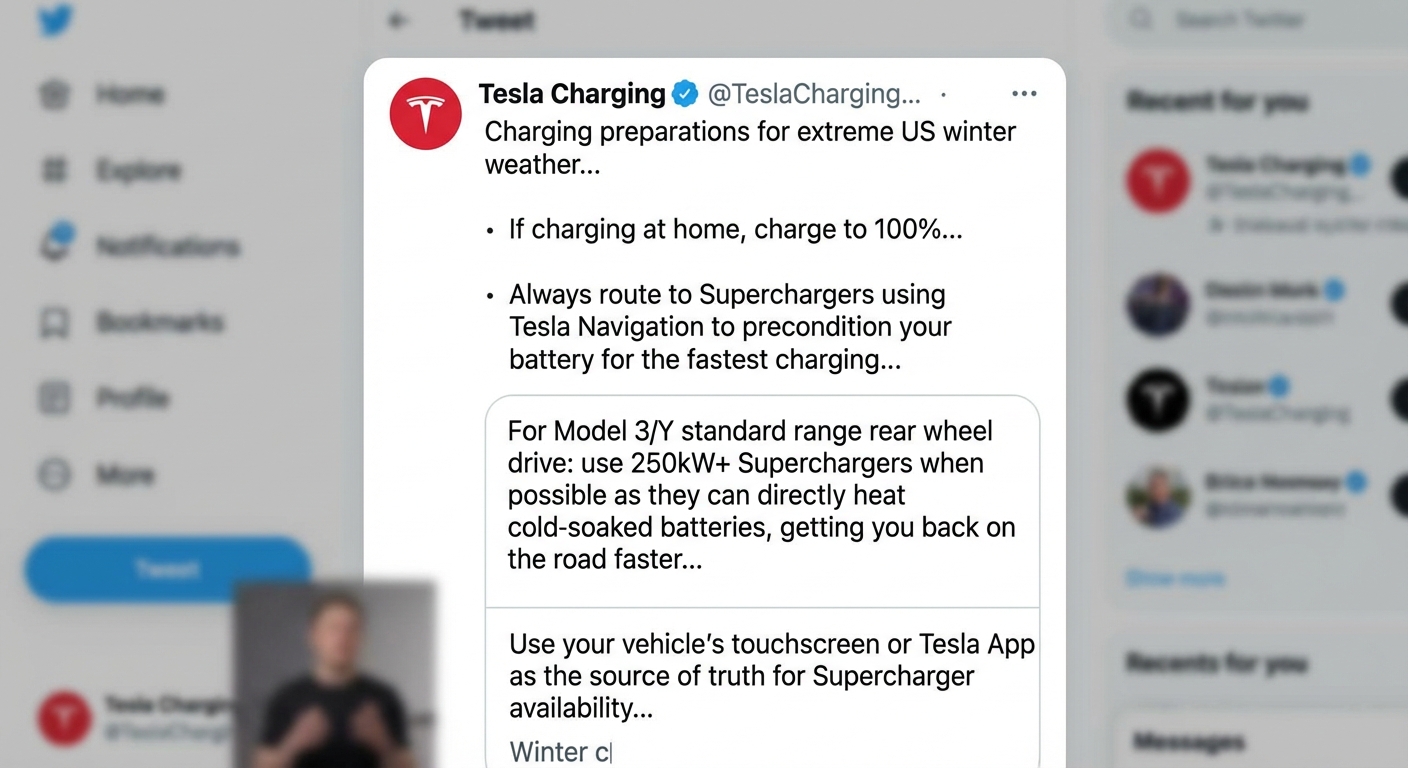
Furthermore, the guide emphasizes the importance of using the in-car navigation. Always route to Superchargers using the Tesla navigation system—even if you know where you are going. This activates preconditioning, which heats the battery before you arrive, allowing for much faster charging speeds.
2. Specific Advice for Standard Range Models
If you own a Model 3 or Model Y Standard Range (Rear Wheel Drive), the type of Supercharger you choose matters more in the winter. Tesla specifically advises using 250kW+ Superchargers (V3 or V4) whenever possible.
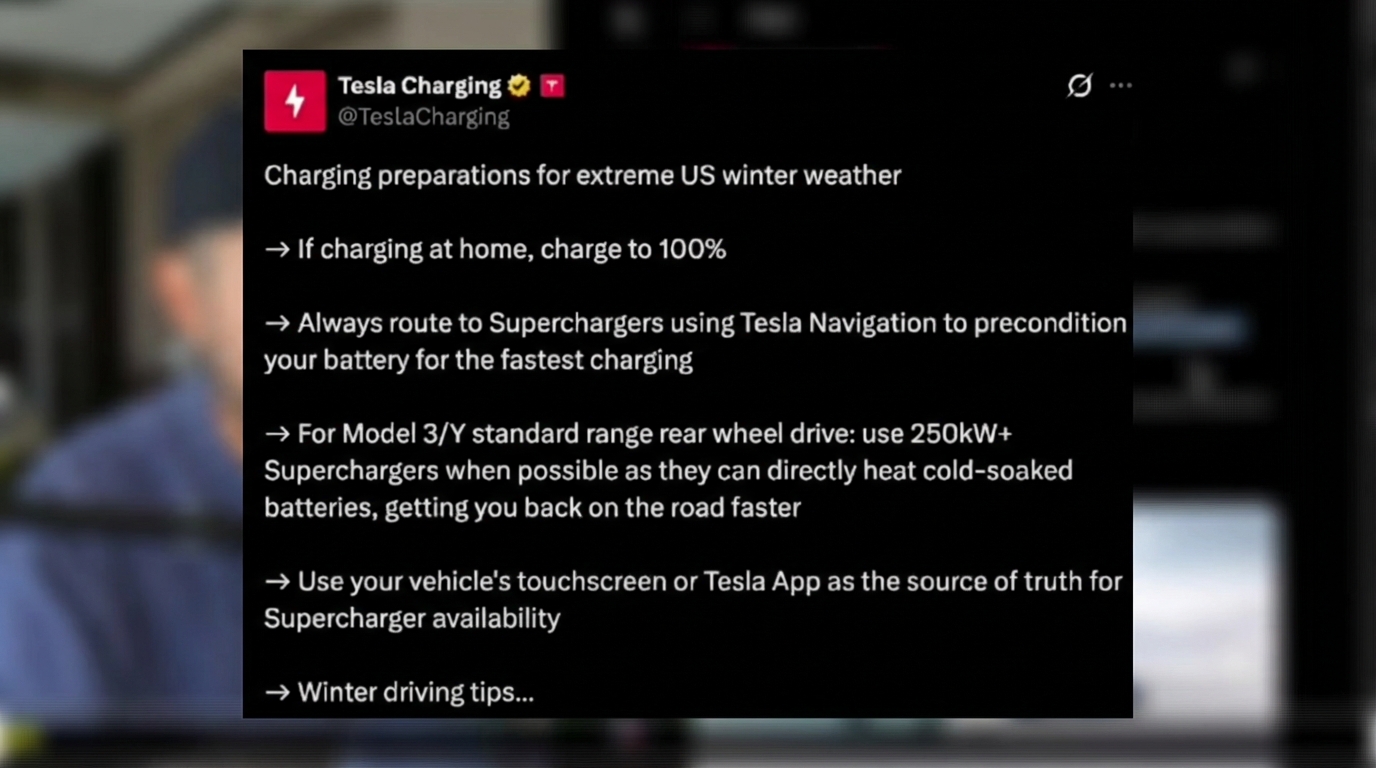
Why? These higher-output chargers can directly heat "cold-soaked" batteries much more effectively than older V2 chargers. This process warms the battery pack rapidly, getting you back on the road significantly faster than if you were to use a lower-powered stall.
3. Preconditioning is Your Best Friend
Beyond just driving, how you prepare the car before you even step inside is crucial. Tesla's support documentation highlights the "Scheduled Departure" feature found in the app and the vehicle settings.
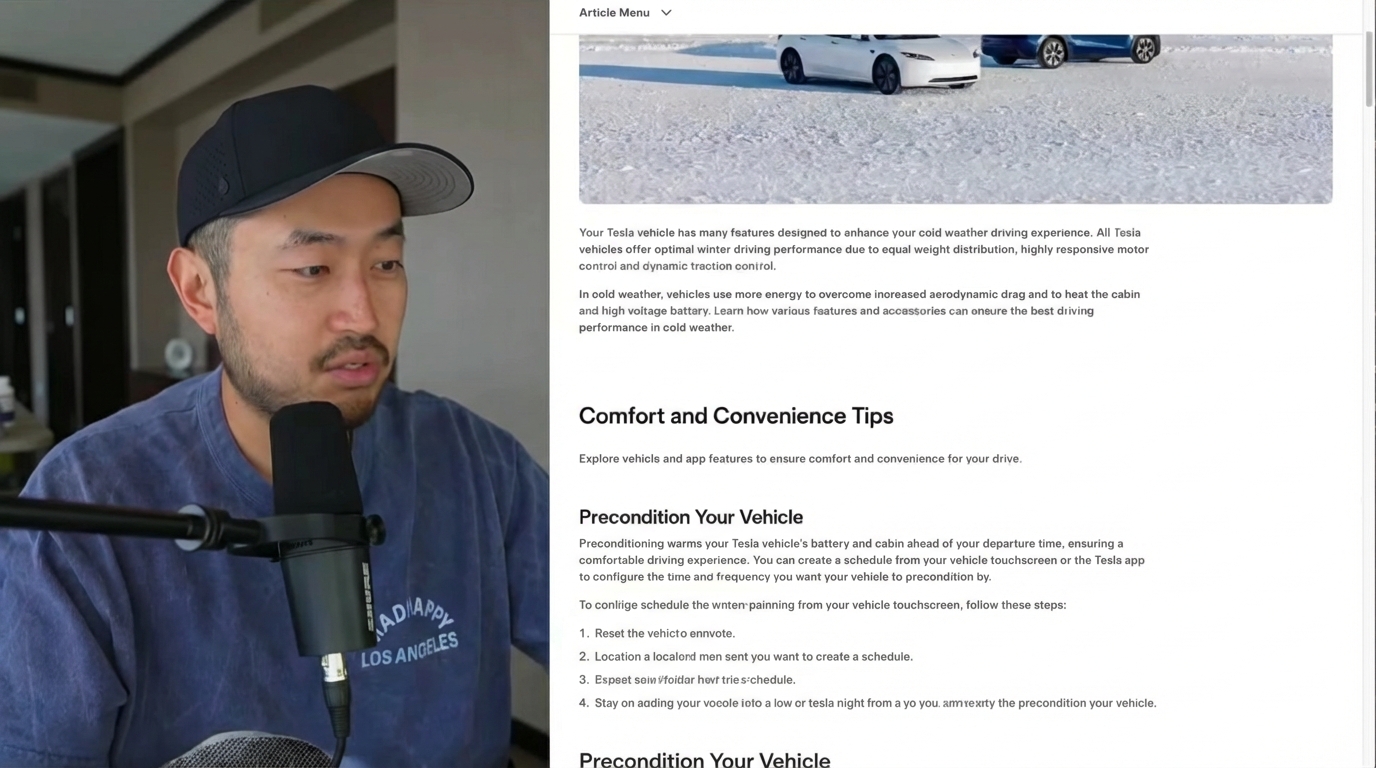
By setting your departure time, the car uses wall power (if plugged in) to warm both the cabin and the battery pack. This preserves your range because the car doesn't have to use its own stored energy to get up to operating temperature. A warm battery also allows for full regenerative braking, which is often limited in a cold car.
4. The Winter Tire Debate: Do You Need Them?
A common question among new Tesla owners is whether the standard All-Season tires combined with Tesla's AWD system are enough. Tesla's traction control and AWD systems are incredibly precise, reacting instantly to wheel slip.
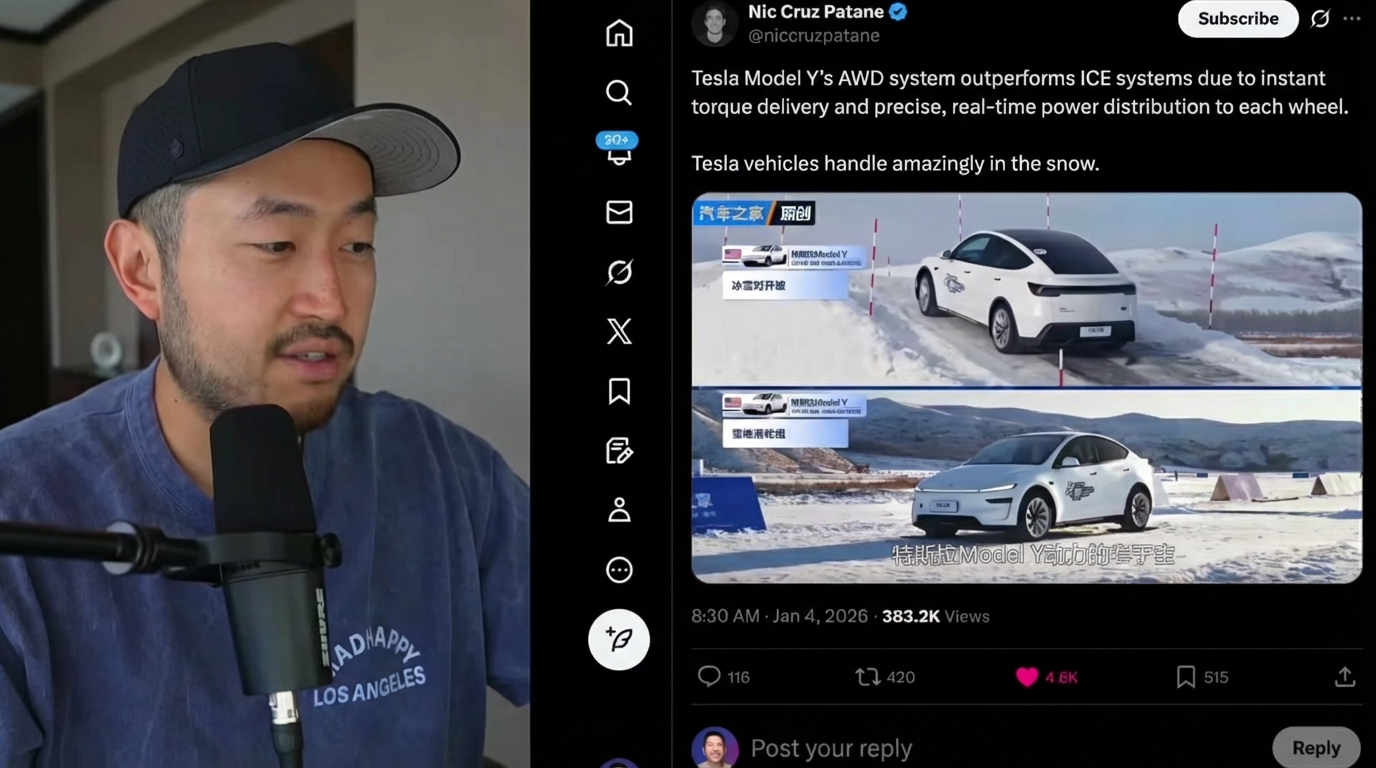
As seen in various tests, a Tesla Model Y on stock tires can often handle snowy inclines purely due to its advanced software and electric torque distribution. However, while the car can move forward, stopping and turning are different stories.
If you live in an area that receives consistent heavy snow or blizzards, investing in a dedicated set of winter wheels and tires is highly recommended. They elevate the car's performance from "capable" to "unstoppable," providing the necessary grip for safety during emergency braking and cornering.