Inside the Vegas Loop: 5 Key Facts About Elon Musk’s Underground Tunnel System
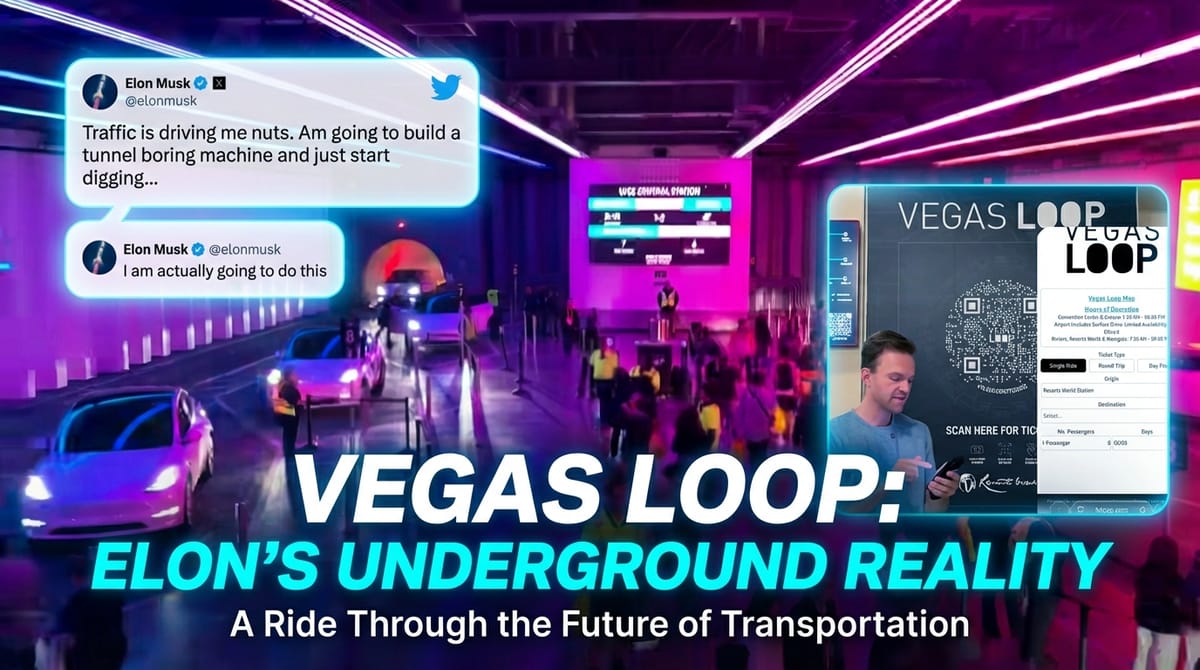
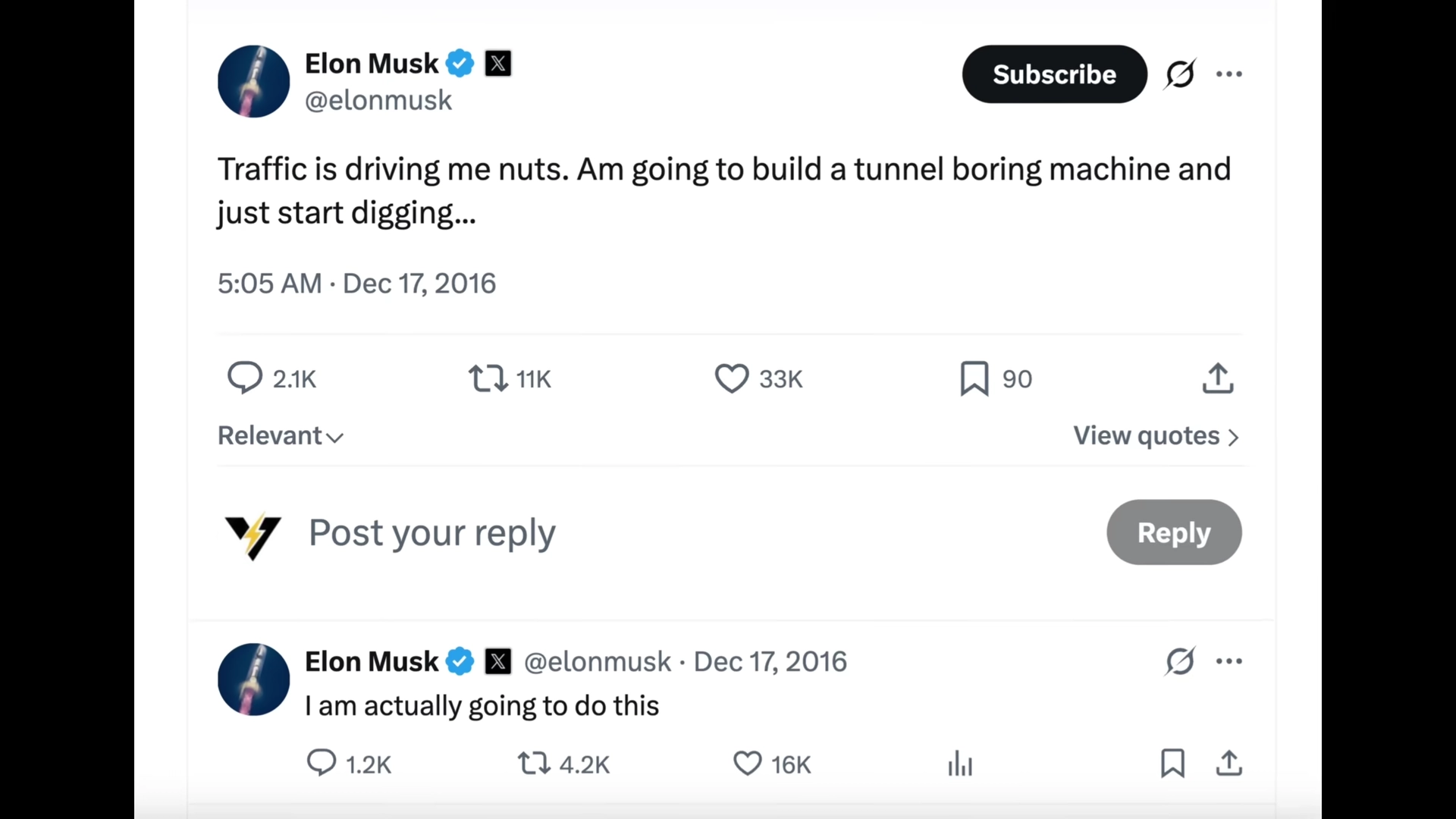
In December 2016, Elon Musk tweeted out a frustration that many of us have felt: "Traffic is driving me nuts. Am going to build a tunnel boring machine and just start digging." While many dismissed it as another eccentric internet moment, nearly a decade later, that frustration has materialized into a functional transit system beneath the streets of Las Vegas.
The Vegas Loop, operated by The Boring Company, is now a reality transporting passengers under the Las Vegas Strip. But what is it actually like to ride in? Is it just a subterranean amusement park ride, or is it the future of public transportation? Here are five things you need to know about this ambitious project.
1. It’s Not a Subway—It’s Point-to-Point Transit
Unlike a traditional subway system where a train stops at every station along the line to let people on and off, the Vegas Loop operates more like an underground highway for Tesla vehicles.
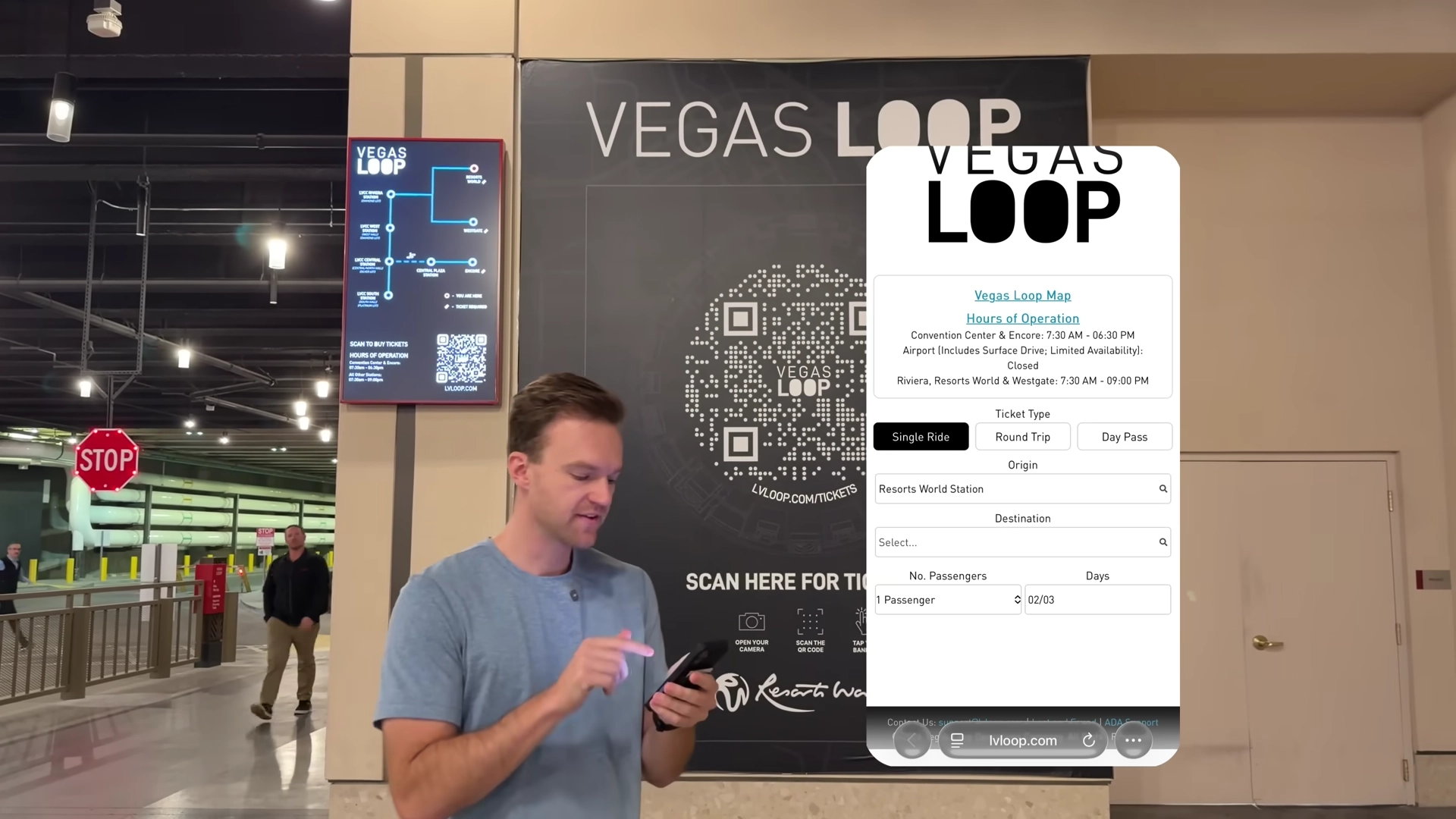
The system utilizes standard Tesla Model Y and Model X vehicles. There are no stoplights, no pedestrians, and no cross traffic. When you get in, you go directly to your destination without stopping at intermediate stations. This "zero friction" environment means that a mile traveled underground feels significantly faster than a mile on the surface.
2. It Thrives Under Pressure
One of the biggest questions surrounding the project was scalability: could it handle the crowds? During CES, one of the largest conventions in the world, the system was put to the ultimate test. While bus lines on the surface were packed and slow-moving due to gridlock, the Loop provided a stark contrast.
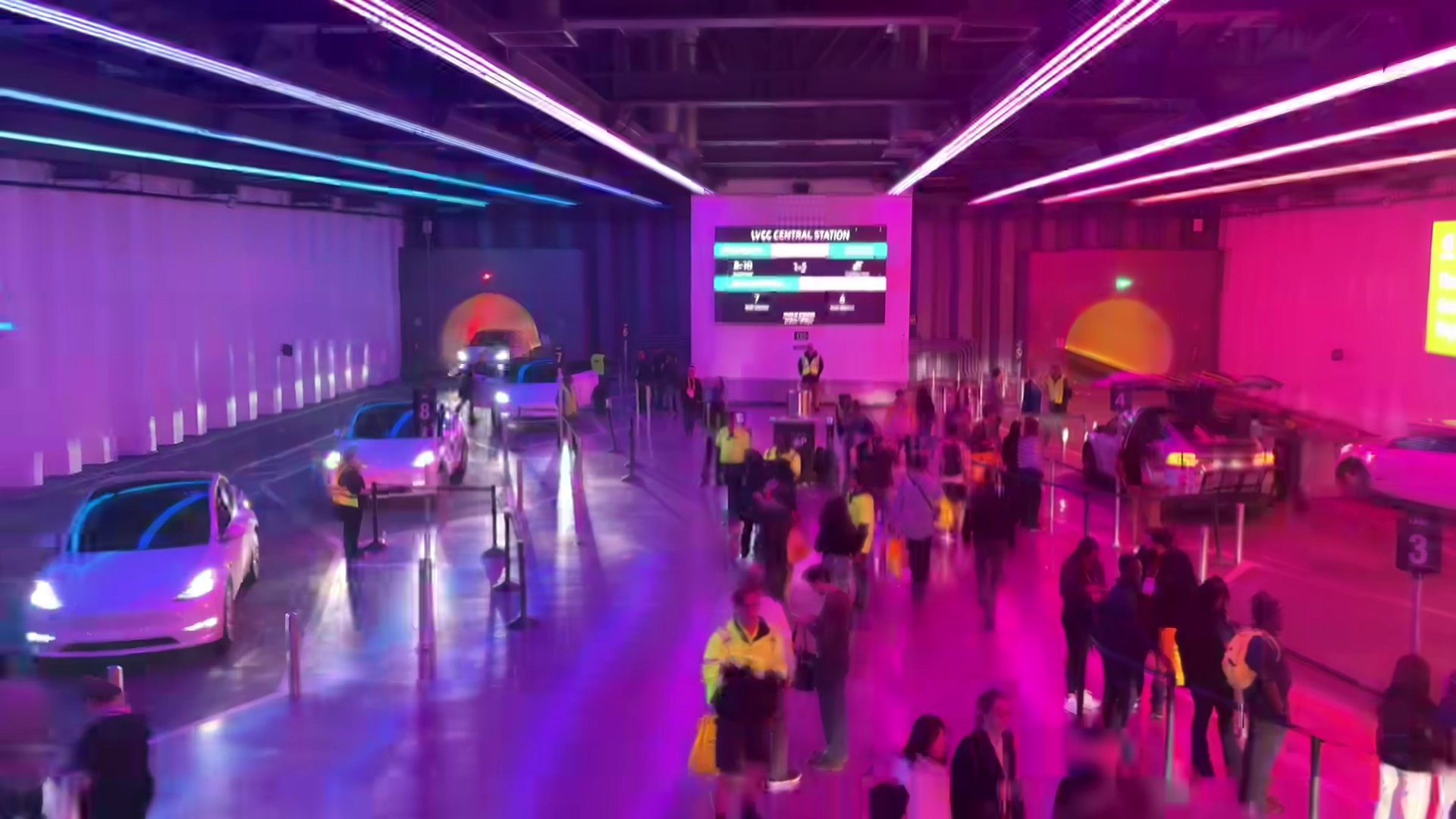
The wait times were surprisingly short—often just two or three minutes—and the ride itself was seamless. For convention-goers trying to navigate the massive Las Vegas Convention Center (LVCC) campus, the Loop turns a 25-minute walk into a 2-minute ride.
3. The "Autonomous" Dream is Still Pending
Currently, the system is not fully autonomous. Each Tesla is driven by a human employee. While the environment is controlled and safe, the vision of a completely driverless network is still in the works.
However, The Boring Company has teased higher-capacity solutions for the future, such as a "Robovan" concept that could carry up to 12 passengers (or more), addressing criticisms about the low passenger density of standard sedans. Until then, the system relies on the efficiency of individual drivers moving small groups rapidly.
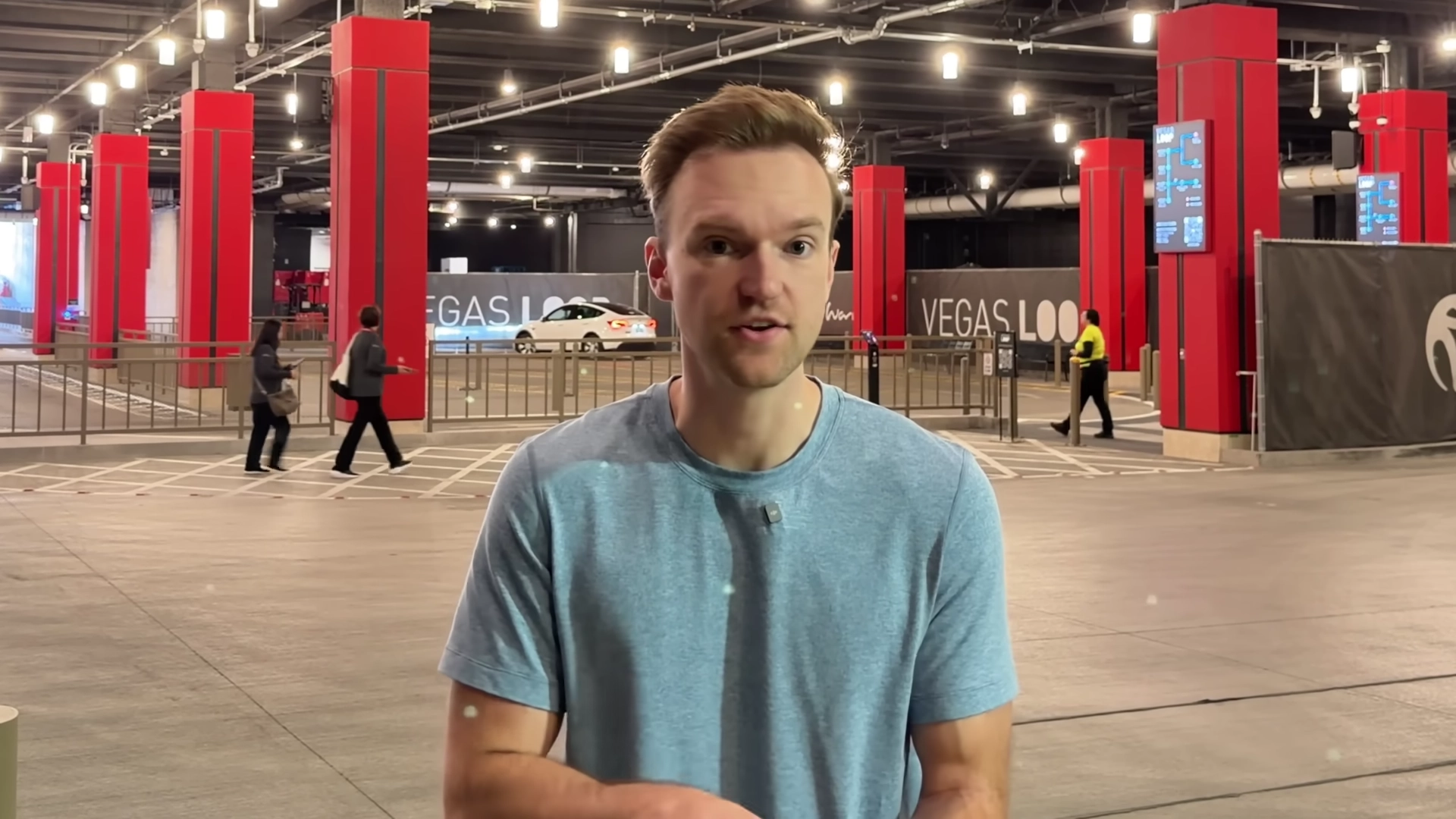
4. Expansion Plans Are Massive
What we see today is just a fraction of the final vision. The current system serves the Convention Center and a few resorts like Resorts World and the new Fontainebleau. However, Clark County has approved a massive expansion plan.
The roadmap includes over 68 miles of tunnels and more than 100 stations, eventually connecting the airport, Allegiant Stadium, downtown Las Vegas, and nearly every major resort on the Strip. There are even plans to connect residential apartments, theoretically allowing locals to commute to work on the Strip completely underground, bypassing the notorious Las Vegas traffic entirely.
5. It Works Specifically Because It’s Vegas
Critics often argue that tunnels aren't a new invention—subways have existed for over a century. However, the Vegas Loop solves a specific problem for Las Vegas. The city is linear, spread out, and suffers from extreme congestion.
By creating a system that is safe, clean, and unaffected by surface events, Elon Musk’s Boring Company has created a solution that, while perhaps not yet scalable to every city, fits the unique geography and demands of Las Vegas perfectly. It offers a glimpse into a future where transport is layered, efficient, and—most importantly—fast.