BMW M3 vs. Tesla Model 3 Performance: 5 Key Differences Impacting the EV Market and Tesla Company Stock
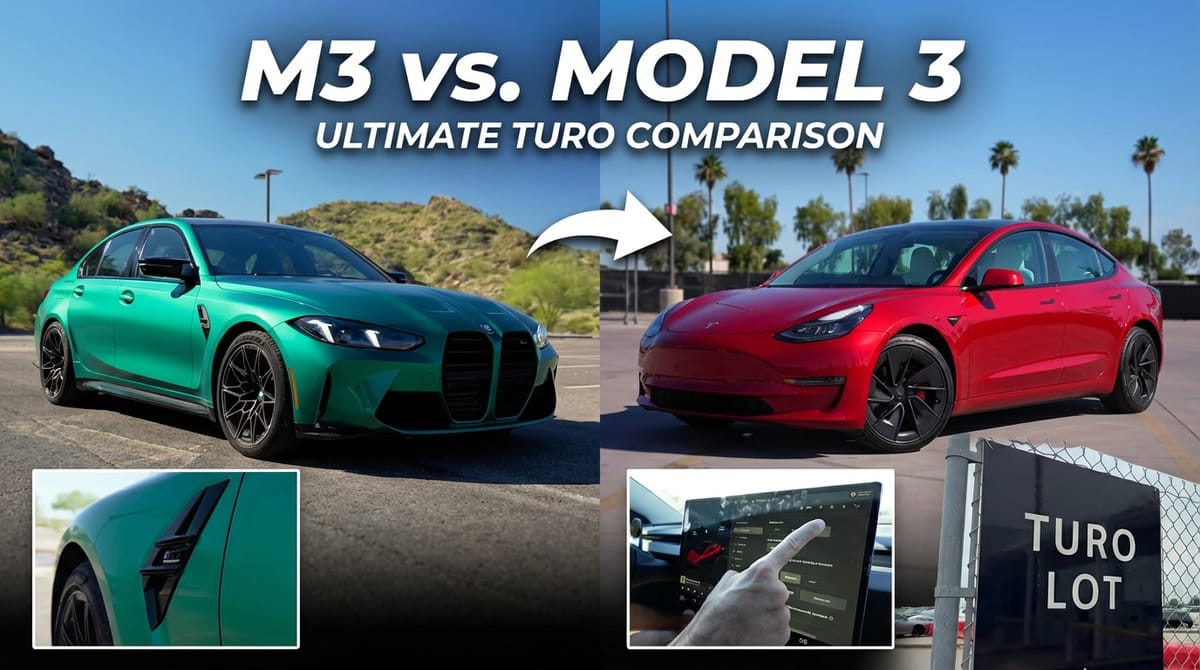
There is the car you thought you would be with, and then there is the car you end up with. Sometimes, you are thankful for the switch. In the world of high-performance sedans, the BMW M3 has long been the gold standard—the girl everyone thought they wanted. But the refreshed Tesla Model 3 Performance is making a compelling case that it might actually be the better partner for the long haul.
This comparison is not just about 0-60 times; it highlights a shift in the automotive landscape that directly influences investor confidence and the value of Tesla company stock. Here are the five most significant differences between these two performance titans.
1. The $27,000 Value Gap
One of the most shocking aspects of this comparison is the price tag. The BMW M3 Competition featured in this review comes in at approximately $82,000. In stark contrast, the Tesla Model 3 Performance is priced around $55,000. That is a massive $27,000 difference for a vehicle that matches—and in some metrics exceeds—the performance of the German legend.
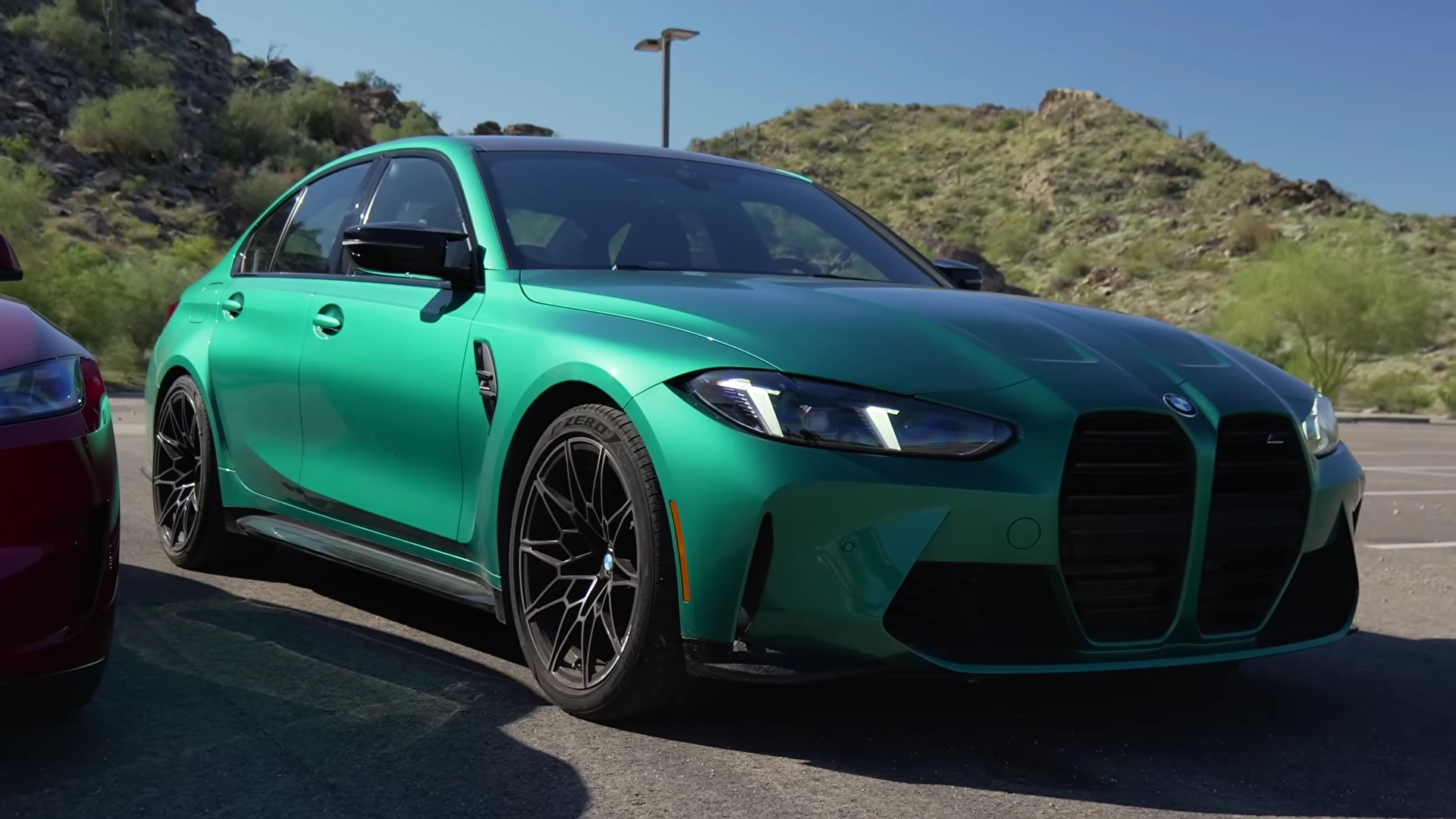
This aggressive pricing strategy is crucial for maintaining demand and volume, a key metric for anyone analyzing the long-term potential of Tesla company stock. By offering supercar performance at a mid-tier luxury price, Tesla creates a value proposition that legacy manufacturers struggle to match without sacrificing their margins.
2. Performance Specifications and Drivetrain
On paper, the battle is fierce. The BMW M3 Competition produces 503 horsepower from its twin-turbo inline-six engine. However, in this specific rear-wheel-drive configuration, it struggles to put that power down compared to the Tesla. The Model 3 Performance delivers 510 horsepower with a dual-motor all-wheel-drive system standard.
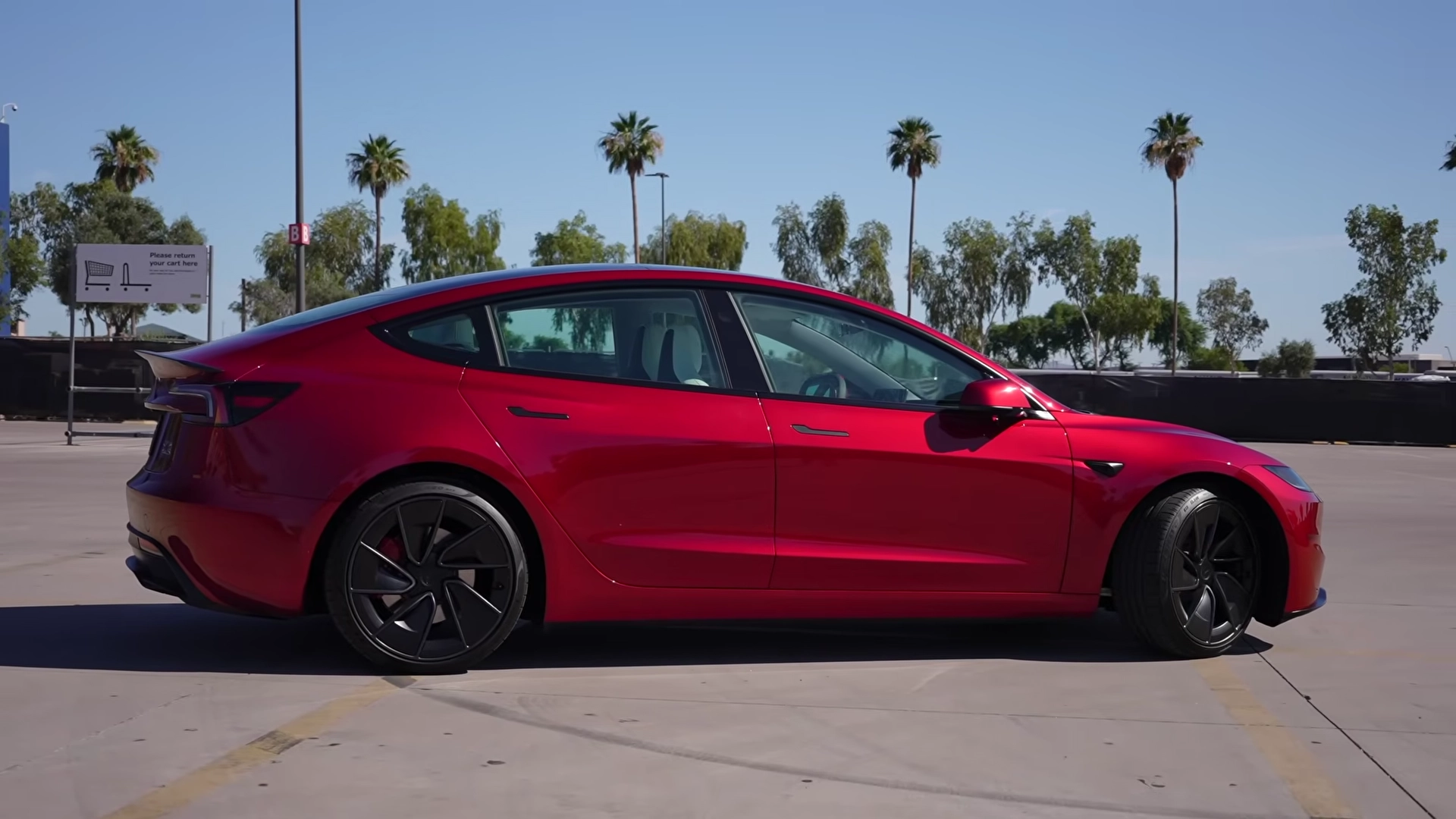
While you can get an M3 with xDrive (all-wheel drive), it pushes the price even higher, potentially knocking on the door of $90,000. The Tesla delivers consistent, sub-3-second 0-60 mph launches straight from the factory for significantly less money, showcasing the efficiency of electric powertrains.
3. Practicality and Daily Usability
When it comes to hauling a family, the differences in platform architecture become apparent. The M3 retains a traditional transmission tunnel, which significantly encroaches on rear legroom for the middle passenger. The Tesla, utilizing a skateboard battery design, offers a flat floor and superior space management.
Furthermore, the Tesla features a "frunk" (front trunk) for added storage, whereas the M3 houses a massive engine. For families, the Model 3 also includes an 8-inch rear touchscreen that allows passengers to stream content—a feature absent in the M3. This focus on software and user experience is a major differentiator that tech-focused investors love about Tesla company stock.
4. Interior Technology and Ecosystem
Legacy auto manufacturers still struggle to catch up to Tesla's software integration. The Tesla app is seamless, allowing for instant climate control, window operation, and vehicle monitoring with zero lag.
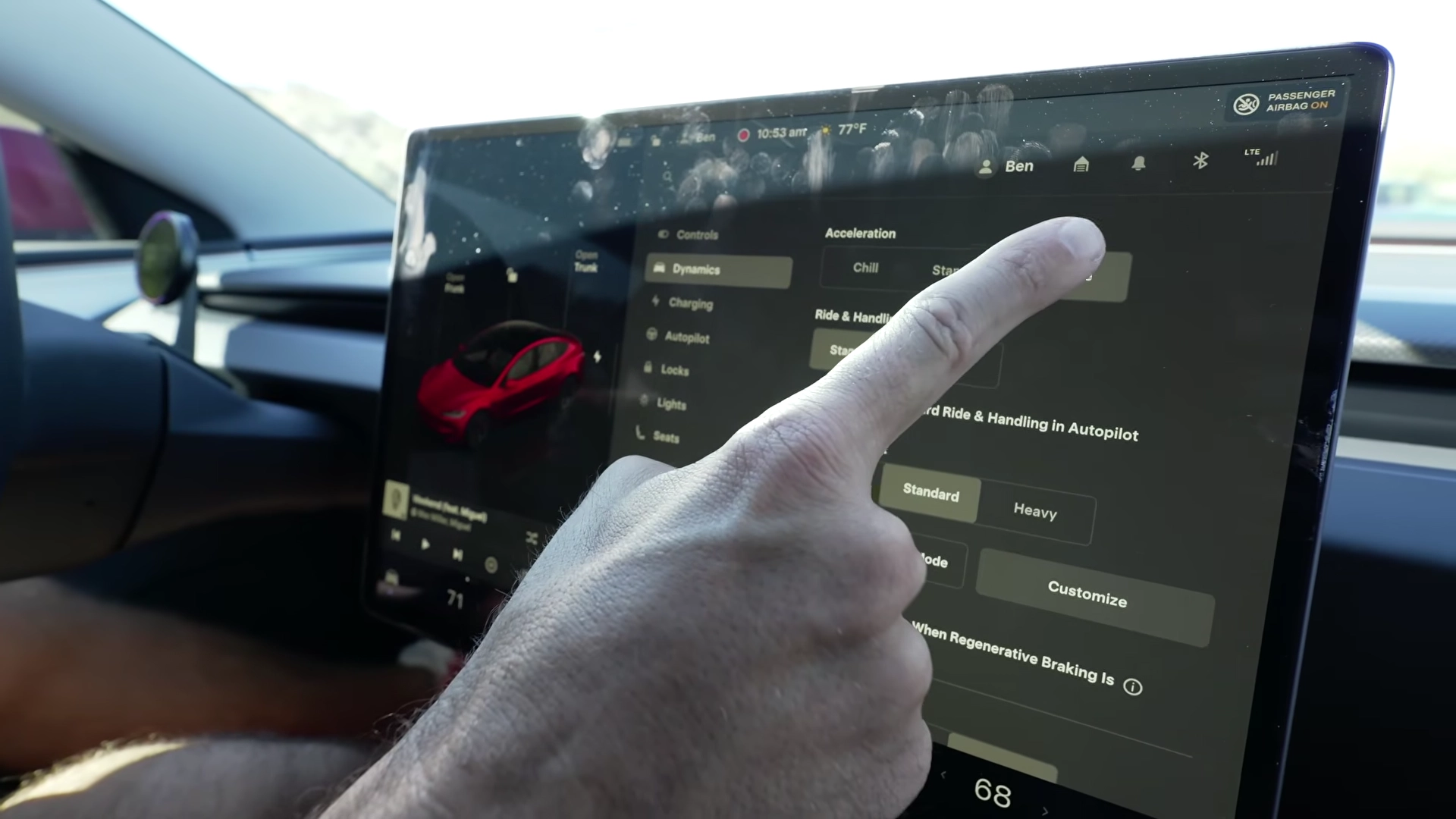
In contrast, while functional, the BMW app experience often feels slower and less integrated. The Model 3 also introduces "Keep Mode" and "Dog Mode," features that leverage the large battery pack to keep the cabin comfortable while parked—utility that a gas-powered M3 simply cannot replicate safely or efficiently.
5. Driving Dynamics: Visceral vs. Instant
This is where the subjective split happens. The BMW M3 offers a visceral, auditory experience. You hear the engine, feel the gear shifts, and experience the power building as the turbos spool. It is an engagement that car enthusiasts cherish.
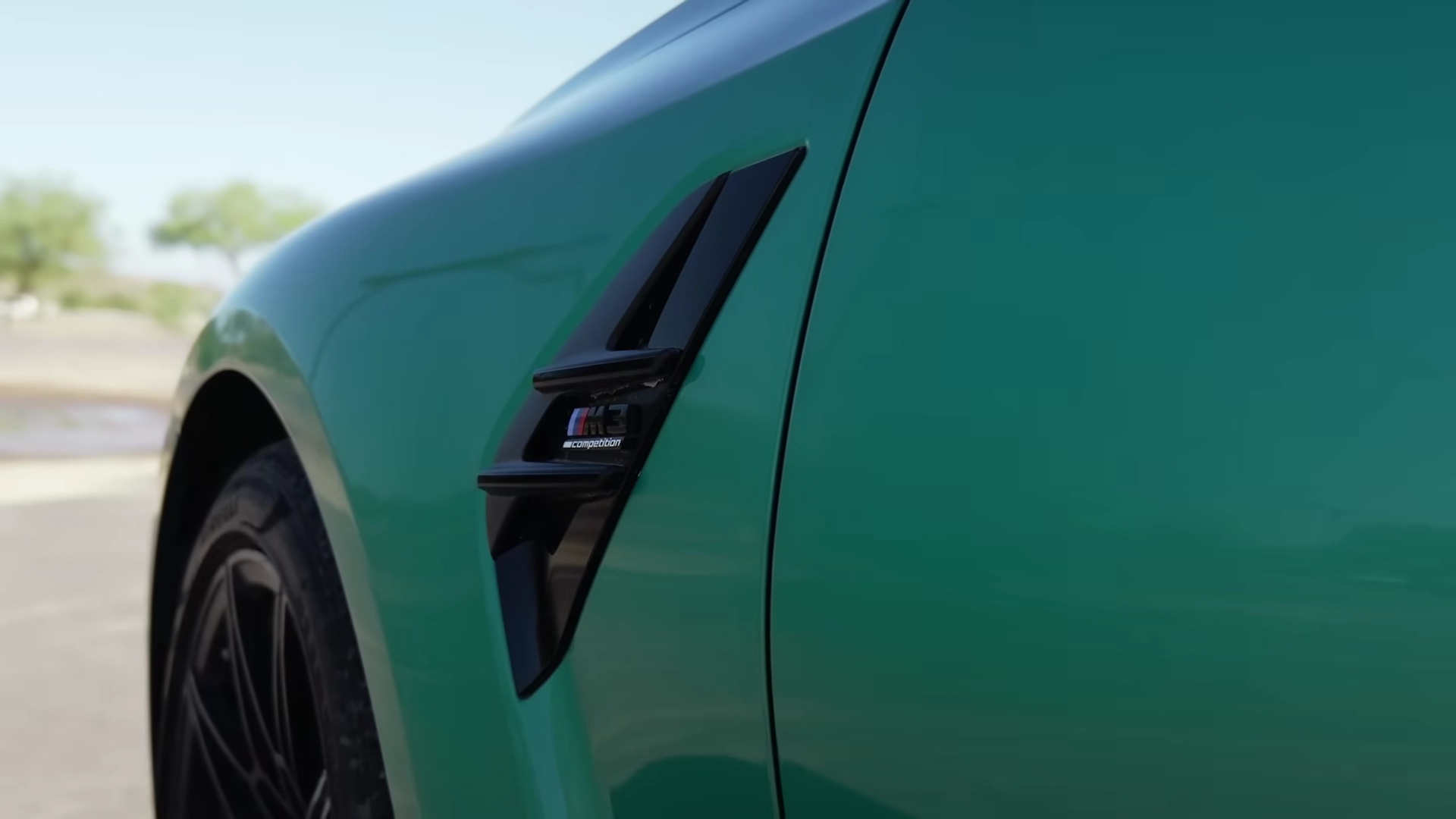
The Tesla, however, offers a different kind of thrill: instant, silent, and violent acceleration. Interestingly, the updated Model 3 Performance now features an adaptive suspension that many find more comfortable for daily driving than the stiffly sprung M3. It has evolved from a straight-line pony into a sophisticated sports sedan.
Conclusion
If you crave the sound of an engine and the mechanical engagement of gears, the BMW M3 remains a king. But if you want a daily driver that offers unbeatable performance value, superior technology, and lower running costs, the Model 3 Performance is the clear winner. Tesla's ability to produce such a capable vehicle at this price point continues to strengthen the fundamental case for Tesla company stock in a competitive market.